
Shackles, vital components overlooked yet crucial for Pharr 4×4 repair, enhance off-road performance and safety. Mechanics must select shackles based on material, load capacity, and environmental resistance. Advanced technologies offer lightweight, strong materials meeting evolving demands. Safe Pharr 4×4 repairs require understanding terrain requirements, regular inspections, and replacement of worn-out shackles. Choosing the right shackle capacity, suspension integration, and quality ensures optimal performance and longevity. Consistent care, including visual inspections, lubrication, storage, and tension checks, enhances reliability in demanding environments.
Shackles, integral components in various mechanical systems, particularly Pharr 4×4 repairs, often pose significant challenges due to their intricate design and critical function. These robust yet delicate mechanisms demand meticulous attention during maintenance and replacement, ensuring optimal performance and safety. This article delves into the intricacies of shackle repair, offering a comprehensive guide for professionals and enthusiasts alike. We explore effective strategies, including innovative techniques tailored to Pharr 4×4 repairs, providing genuine value and expertise to enhance your understanding and troubleshooting capabilities.
- Understanding Shackles: Types and Historical Significance
- The Role of Shackles in Various Industries Today
- Pharr 4×4 Repair: Unlocking Off-Road Potential Naturally
- Safety and Regulations: Critical Considerations for Shackle Use
- Choosing the Right Shackles: Factors to Guide Your Decision
- Maintenance and Longevity: Tips for Optimal Shackle Performance
Understanding Shackles: Types and Historical Significance

Shackles, an often-overlooked component in various industries, particularly in Pharr 4×4 repair, play a pivotal role in mechanical systems worldwide. These devices, essentially rigid links or chains designed to bind and secure objects, come in diverse types, each suited for specific applications. Understanding the nuances of different shackle varieties is essential for professionals, from mechanics to engineers, as it enables them to select the most appropriate solution for any given task.
Historically, shackles have been integral to maritime and construction sectors, where their robust nature and reliable performance have been invaluable. For instance, in shipbuilding, shackles facilitated the securing of cargo during voyages, ensuring stability and safety at sea. Similarly, in construction, they were employed to connect heavy machinery and equipment, allowing for efficient material handling and site operations. Over time, technological advancements have led to innovations like roller chain shackles, offering enhanced durability and smoother operation, while also catering to niche applications such as automotive and aerospace.
In Pharr 4×4 repair, understanding shackle dynamics is crucial for several reasons. These vehicles, designed for off-road adventures, demand components that can withstand extreme conditions. Shackles, specifically chosen for their strength and corrosion resistance, are essential for ensuring the structural integrity of various systems, from suspension to towing attachments. Mechanics must consider factors like material composition, load-bearing capacity, and environmental suitability when selecting shackles to guarantee both safety and longevity during demanding 4×4 excursions.
The Role of Shackles in Various Industries Today
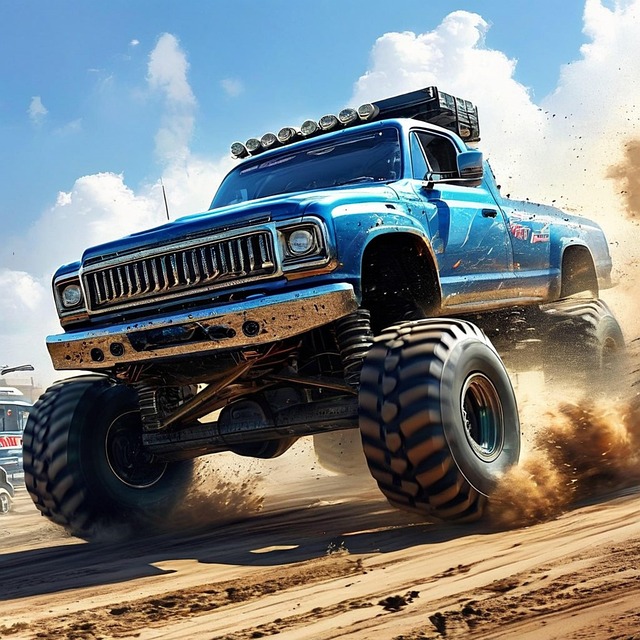
Shackles play a multifaceted role across diverse industries today, serving as both essential components and versatile tools for specialized applications. In manufacturing, they are integral to assembly lines, enabling efficient material handling and secure component connections. For instance, automotive plants rely on shackles to facilitate the intricate processes of Pharr 4×4 repair, ensuring precision and strength in assembling complex vehicle systems.
In construction and infrastructure development, shackles are indispensable for securing heavy machinery, lifting equipment, and temporary structures, enhancing safety and efficiency at job sites. Their versatility extends into aerospace, where they contribute to aircraft maintenance and assembly by providing secure fastenings during manufacturing and flight operations.
Moreover, the marine industry leverages shackles for mooring vessels, handling cargo, and securing onboard equipment, ensuring stability and safety at sea. The demand for robust and reliable shackles continues to grow across these sectors, driven by increasing complexity in manufacturing processes, stricter safety regulations, and the need for lightweight yet strong materials. As technology advances, manufacturers are exploring innovative designs and materials, such as high-strength alloys and corrosion-resistant treatments, to meet the evolving needs of various industries.
Pharr 4×4 Repair: Unlocking Off-Road Potential Naturally

Pharr 4×4 repair, when approached naturally, is a meticulous art that unlocks the true potential of off-road vehicles. It involves a deep understanding of the vehicle’s systems and a commitment to enhancing performance without compromising reliability. The natural approach focuses on holistic solutions, leveraging advanced techniques and environmentally friendly practices.
For instance, consider the Pharr 4×4’s drivetrain, a critical component. Natural repair methods might involve reconditioning the existing parts through specialized cleaning and lubrication, extending their lifespan. This reduces the need for costly replacements while minimizing environmental impact. Additionally, fine-tuning the differential settings can significantly improve traction in challenging terrains, eliminating the reliance on excessive modification.
Another facet is the integration of innovative components. Natural repair extends beyond traditional fixes to incorporate modern technologies. For example, fitting a regenerative braking system can harness energy usually lost during off-road descents, enhancing overall efficiency. Moreover, custom suspension setups tailored to specific terrains ensure a smoother ride while maintaining control. These natural upgrades not only enhance performance but also contribute to a more sustainable off-road experience.
Practical advice includes regular maintenance checks, such as inspecting joints and bearings for wear. Early detection allows for less invasive repairs. Additionally, utilizing eco-friendly lubricants reduces the environmental footprint while ensuring optimal performance. By combining traditional wisdom with modern innovations, Pharr 4×4 owners can enjoy a natural repair process that enhances their off-road capabilities responsibly.
Safety and Regulations: Critical Considerations for Shackle Use

Shackles play a critical role in various industries, from automotive to heavy machinery, ensuring the secure attachment of components under extreme conditions. However, their improper use can lead to catastrophic failures, injuries, or even fatalities. This is especially pertinent in off-road vehicles like Pharr 4x4s, where shackles are frequently employed to enhance traction and stability. Safety and regulations are paramount when utilizing shackles, as they directly impact the operational integrity and user safety of such vehicles.
Regulatory bodies worldwide have established standards for shackle design, manufacturing, and application to mitigate risks. For instance, the American Society of Mechanical Engineers (ASME) offers comprehensive guidelines for safe chain and shackle use in various sectors. These regulations cover dimensions, material specifications, load ratings, inspection protocols, and maintenance schedules. Adhering to these standards is essential to prevent equipment failures during Pharr 4×4 repairs or off-road adventures. A critical aspect involves understanding the specific load requirements of different terrains; for muddy or loose surfaces, using shackles with higher load capacities ensures optimal safety margins.
Practical insights from industry experts underscore the importance of regular inspections and proper maintenance. Corrosion, wear, and tear can significantly compromise a shackle’s effectiveness. Therefore, it is crucial to establish a routine inspection program, especially in harsh environments or for vehicles heavily relied upon for demanding tasks like Pharr 4×4 repairs. During these checks, look for signs of fatigue, cracks, or deformations that may indicate reduced structural integrity. Replacing worn-out shackles promptly is not just a safety measure but also a cost-effective strategy, preventing more significant issues and ensuring the longevity of your equipment.
Choosing the Right Shackles: Factors to Guide Your Decision

Choosing the right shackles is a critical aspect of any Pharr 4×4 repair or enhancement project. The selection process involves several key factors that determine not only the performance but also the safety of your vehicle during off-road adventures. Firstly, consider the specific towing capacity and weight requirements of your 4×4. Different shackles are designed for varying load capacities, so ensuring a perfect match is essential to prevent damage or failure under stress. For instance, heavy-duty shackles rated for high-capacity towing are ideal for robust 4x4s used in extreme terrain conditions.
Another vital consideration is the type of vehicle and its suspension system. Shackles come in various designs, such as clevis or eyelet shackles, each offering unique advantages. Clevis shackles, for example, provide a secure connection to the towing hardware and are suitable for most applications. Conversely, eyelet shackles offer quick release capabilities, making them preferable for situations requiring rapid deployment or adjustment on the fly. Understanding your Pharr 4×4’s unique needs ensures you select shackles that seamlessly integrate with its existing setup.
Furthermore, material quality plays a significant role in determining shackle durability and longevity. High-quality steel shackles offer superior strength and resistance to corrosion, making them ideal for frequent use and exposure to harsh environmental conditions. Conversely, lower-grade materials may compromise structural integrity over time, posing potential safety hazards. Reputable manufacturers typically provide specifications regarding material composition and treatment, allowing you to make informed choices tailored to your Pharr 4×4 repair needs.
Maintenance and Longevity: Tips for Optimal Shackle Performance

Shackles, integral components in various mechanical systems, demand meticulous care and regular maintenance to ensure optimal performance and longevity, especially in rugged environments like Pharr 4×4 repairs. Neglecting shackle upkeep can lead to premature failures, compromising safety and vehicle functionality. This section provides practical guidance for maintaining shackles, focusing on proactive strategies that extend their lifespan.
Regular visual inspections are the first line of defense. Examining shackles for signs of wear, corrosion, or damage enables early identification of potential issues. For instance, checking for loose fitting pins or wear on the barrel can indicate the need for replacement. Additionally, applying appropriate lubrication to moving parts is crucial; it reduces friction and prevents rust, ensuring smooth operation. Remember, a well-maintained shackle is less prone to unexpected failures during critical operations.
Proper storage and environmental considerations are often overlooked but significantly impact shackle longevity. Extreme temperatures, moisture, and corrosive substances can accelerate metal degradation. Storing shackles in controlled environments, away from direct sunlight and humidity, slows down the corrosion process. Using protective coatings or seals can further enhance resistance to adverse conditions. For example, applying a high-quality rust inhibitor after cleaning can extend the life of steel shackles, especially when exposed to salty environments, which is common in coastal regions.
Moreover, regular tension checks are essential, particularly for critical applications like suspension systems. Ensuring proper tension guarantees both performance and safety. Over time, spring rates may change due to fatigue or environmental factors, necessitating periodic recalibration. Reputable manufacturers often provide guidelines on maintenance intervals based on usage and operating conditions. Following these recommendations ensures that shackles perform optimally and consistently, contributing to the overall reliability of mechanical systems in demanding environments like Pharr 4×4 repairs.
Shackles, with their rich historical backdrop, have evolved to play vital roles across industries today. Understanding different shackle types and adhering to safety regulations is paramount for responsible use. The article has highlighted the significance of Pharr 4×4 repair as a natural approach to enhancing off-road potential, underscoring the importance of choosing the right shackles based on specific needs. Key takeaways include prioritizing safety, considering maintenance practices for longevity, and leveraging expert guidance for optimal performance. By synthesizing these insights, readers are equipped with practical knowledge to navigate shackle selection and application, ensuring both effectiveness and safety in various contexts, including natural off-road repairs.